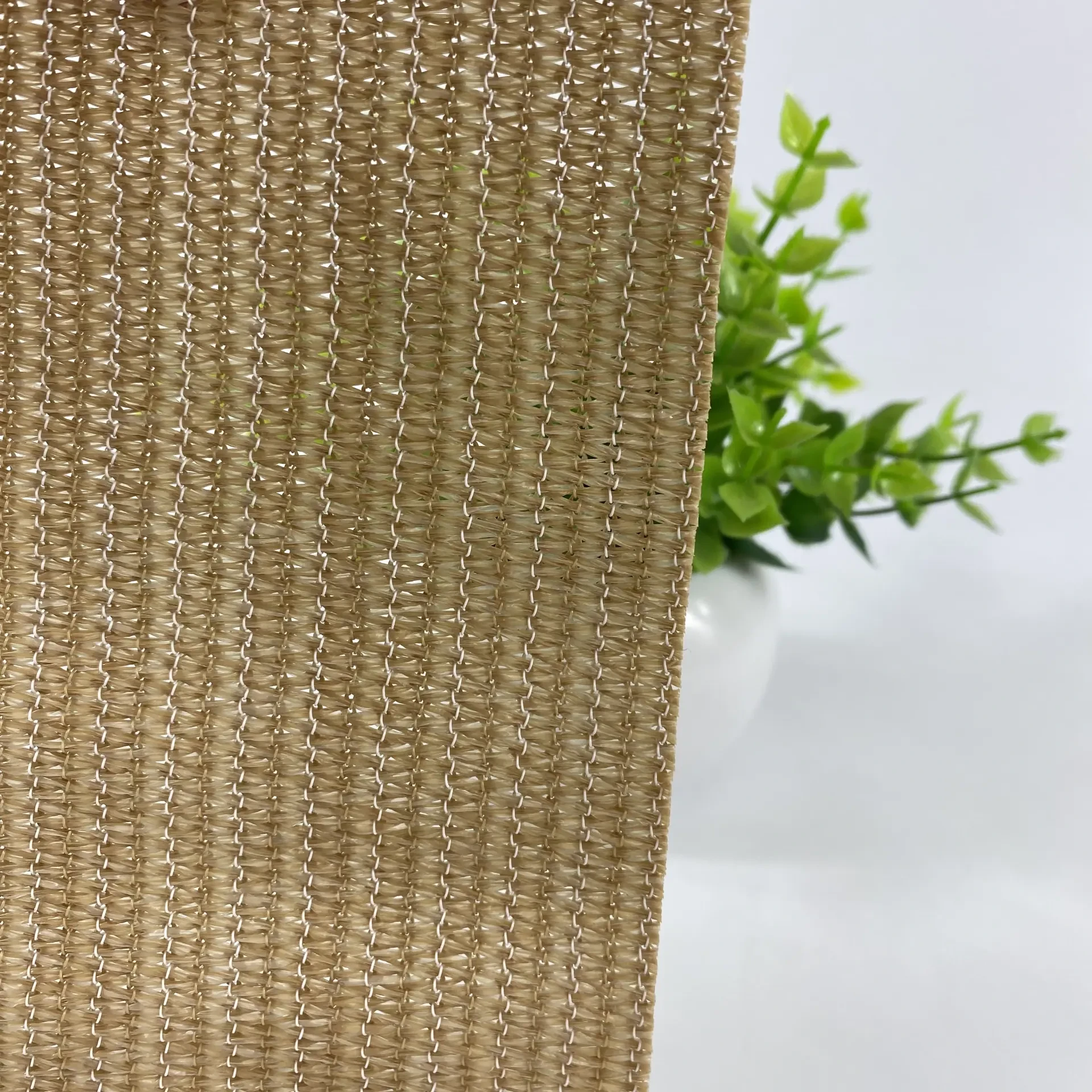
Shade rate is the percentage of direct sunlight blocked by the mesh. A higher shade rate means a darker, cooler area underneath, but it also reduces ventilation and light transmission. When selecting a product, don't rely on the number alone; consider the site's light intensity, ventilation needs, and working conditions together.
For home gardens and outdoor relaxation areas, a shade rate between 85% and 95% is typically recommended. This range significantly reduces the intense heat from direct sunlight while maintaining sufficient natural light, ensuring the space feels open and comfortable rather than enclosed. If the courtyard receives limited natural light, you can reduce the shade rate to around 80%.
Kindergarten and school outdoor play areas typically range from 75% to 90%. Key considerations go beyond shade; the space must also ensure ventilation and clear sightlines so teachers can easily supervise children. Zoned installation offers greater flexibility than full coverage, allowing sandpits and equipment zones to be tailored to their specific orientations.
Crop type determines shading requirements. Leafy greens and seedlings are sensitive to intense light, so higher shade rates are typically used. Fruit vegetables and flowers require ample sunlight, making medium-to-low shade rates more suitable. Using different specifications across greenhouse zones within the same facility is a common practice.
In aquaculture settings, balancing cooling and ventilation is key. Use high-shade roofing for the shed, while leaving ventilation gaps around the exercise area and perimeter to prevent heat buildup. In humid environments, prioritize materials with strong moisture resistance and anti-aging performance.
Note: Shading rates are reference values from lab tests. Actual performance may vary based on tensioning method, mounting height, surrounding reflective surfaces, and seasonal angles. Before bulk ordering, we recommend requesting samples for on-site testing to finalize specifications.